Remnants
Artist Statement
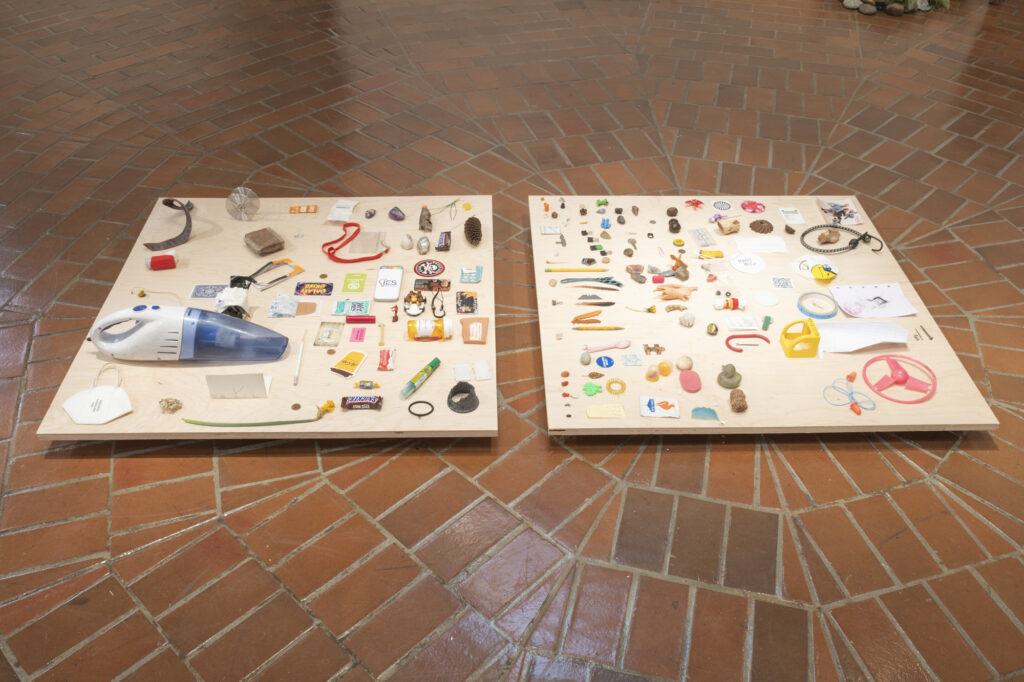
REMNANTS is a meditation on the power of the quotidian. “Through our individual ways of collecting, we recognize the intimate value of everyday objects/materials. By recontextualizing the material, we call attention to the way we collaborate with our surroundings anew.”
Annie Cunningham:
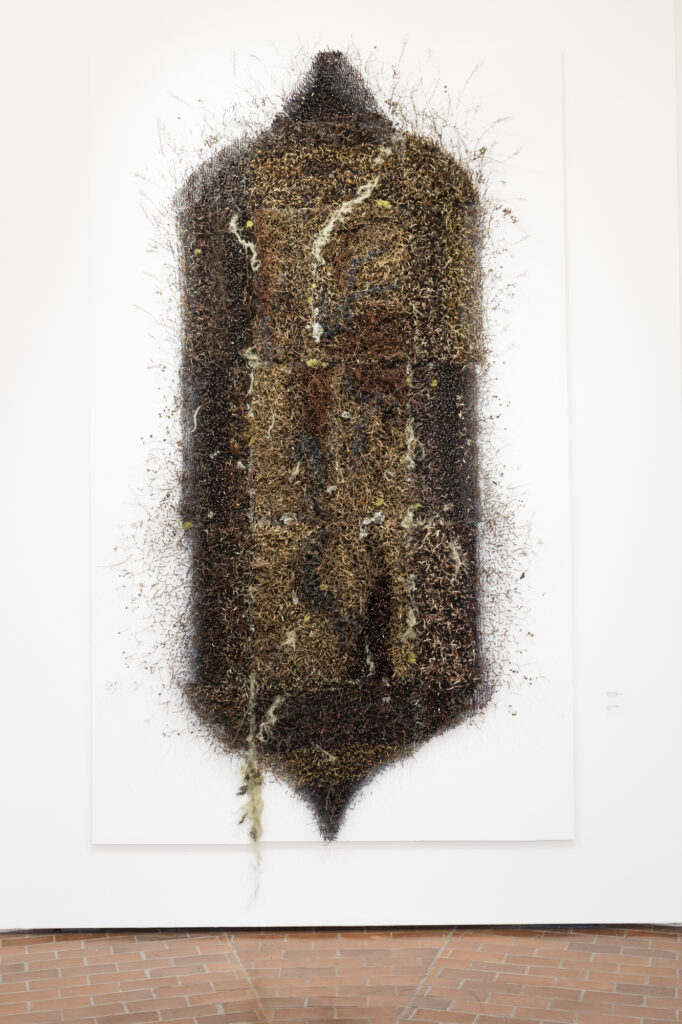
My work is ever in a state of evolution; shifting and churning in accordance with my natural surroundings. I wish to further understand the integral relationship among the rocks, soil, brush, and towering limbs. I recognize the ebb and flow of the seasons and contemplate how my presence may entwine my art practice and my enveloping environment. I explore moral ecological art-making when collecting natural items and seek to summon whispers of my experiences into a space of display. The organic materials collected are predominantly invasive plant species or easily cultivated, which allows my art process to progress in a sustainable and mindful way. My work is not only a comment on permacultural practices, but an encouragement of transporting the viewers to the time and place in which the work was imagined; a memory of prodigious power, pain, preciousness, or peace experienced in the solitude of nature.
Jamin Kuhn:
We are all collaborating on an endless collage. The intertwined pathways through the collective surface is our canvas.
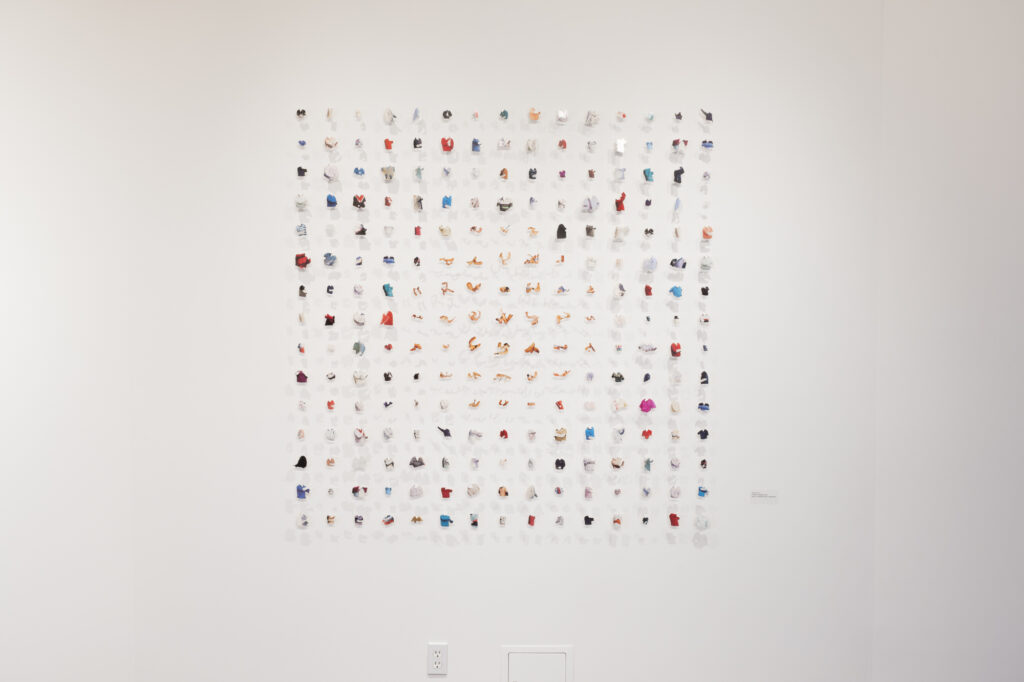
I see my role as collector being the prerequisite to my role as a maker, or each role being mutually inclusive of the other; my practice being the territory where both roles meet. Often private, but sometimes public performative acts of making are the meditative moments where craft, meaning, and contemplation evolve, creating a space in which I can better relate to and understand my own immediate environment.
My most current work presents and transforms several recent, personal collections through a variety of processes, often convoluted in nature. Some objects live and die as a pocketed memento, while others are reincarnated through several spontaneous physical and digital filters, transforming the everyday into the phenomenon. Through both literal and implied cutting and slicing, these violent, metaphorical actions attempt to reveal what may be hidden; a revelatory postmortem through contemporary archaeology.