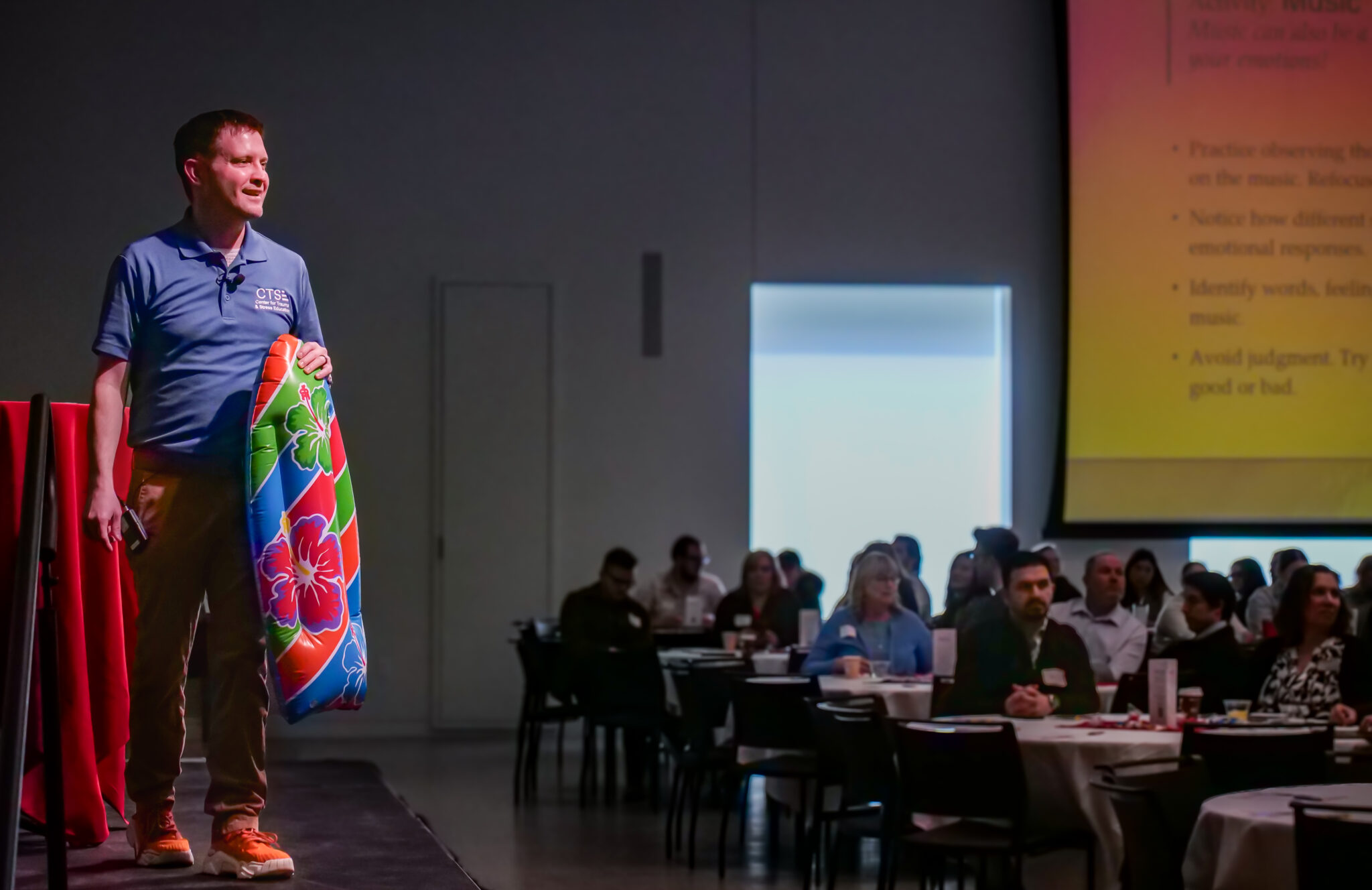
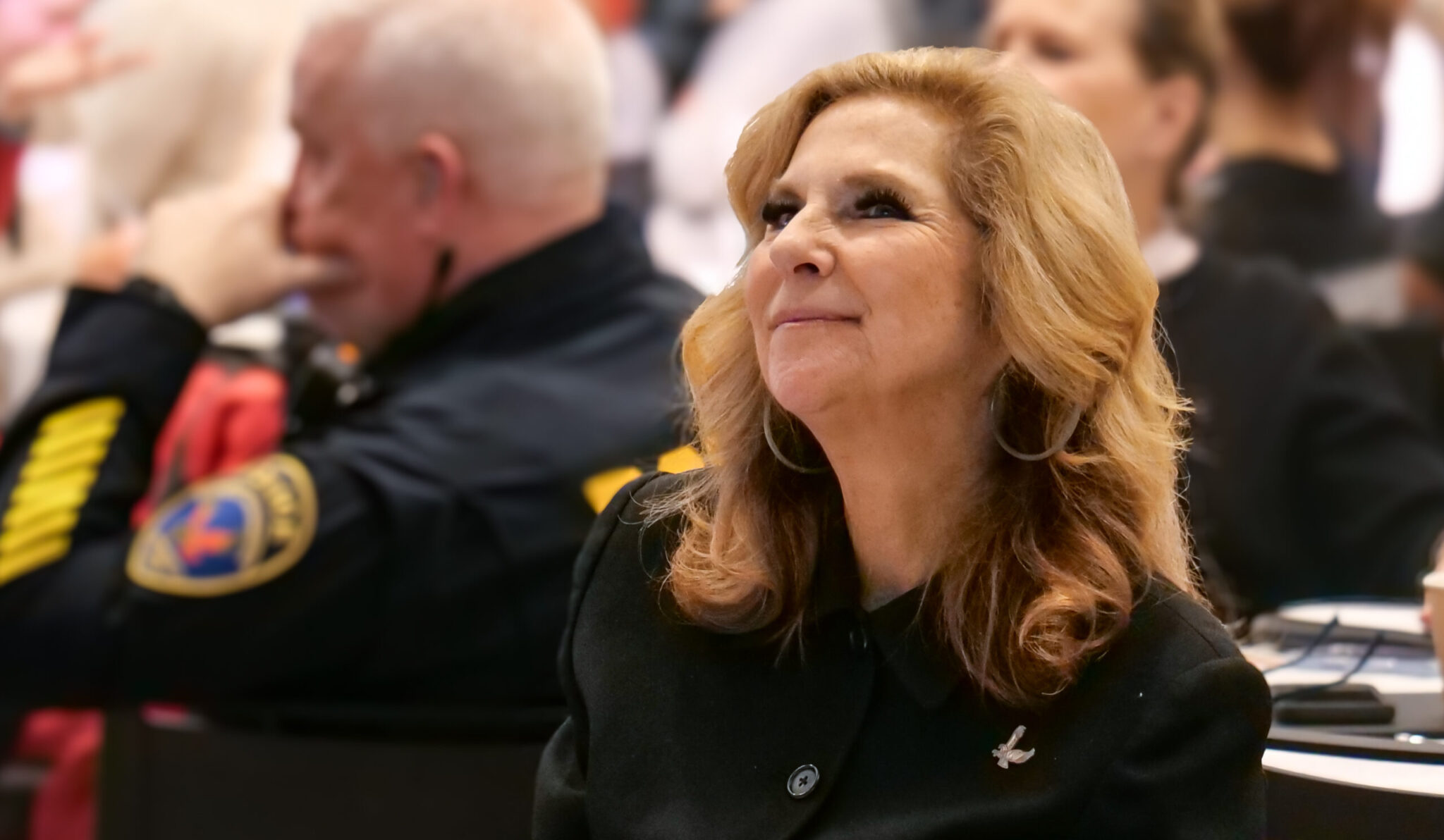
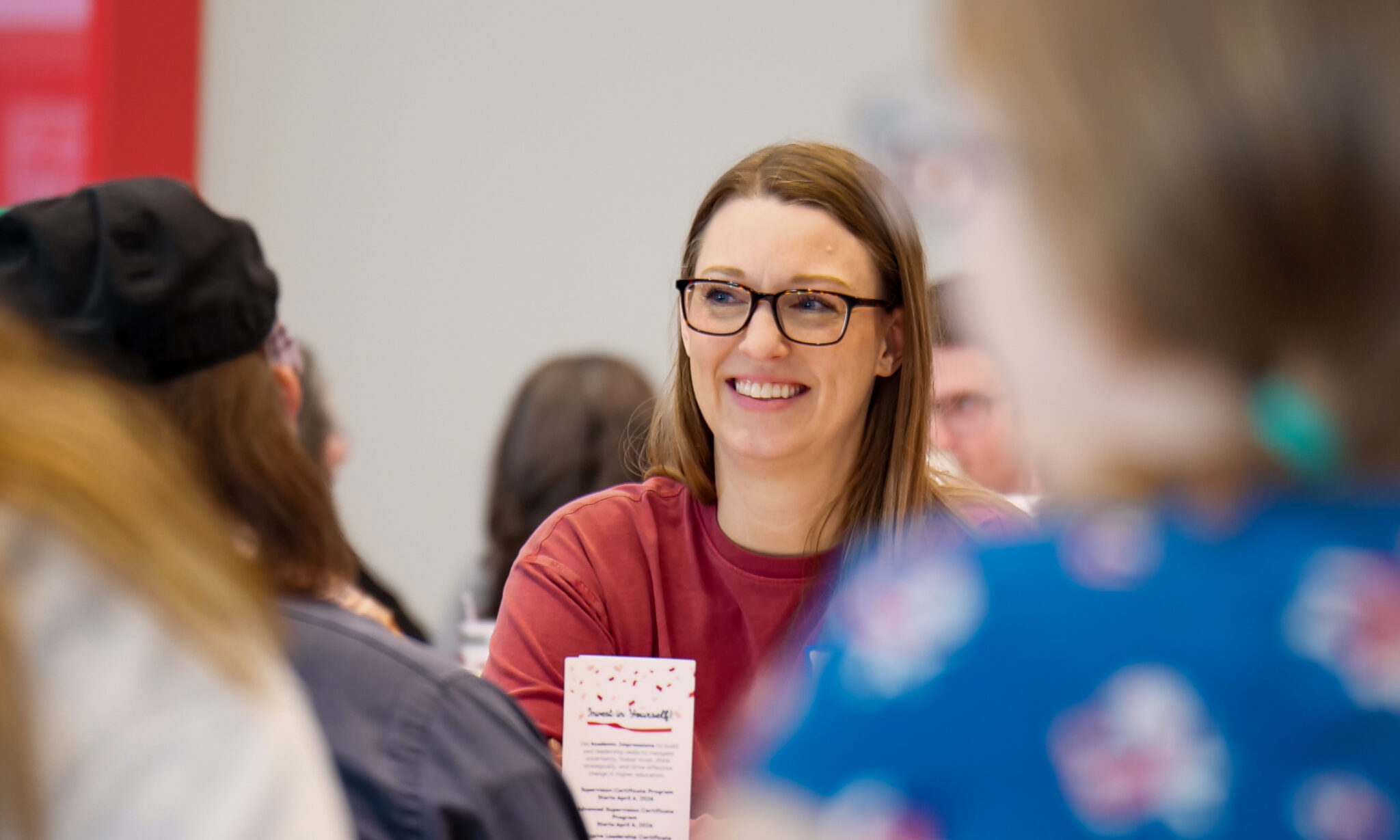
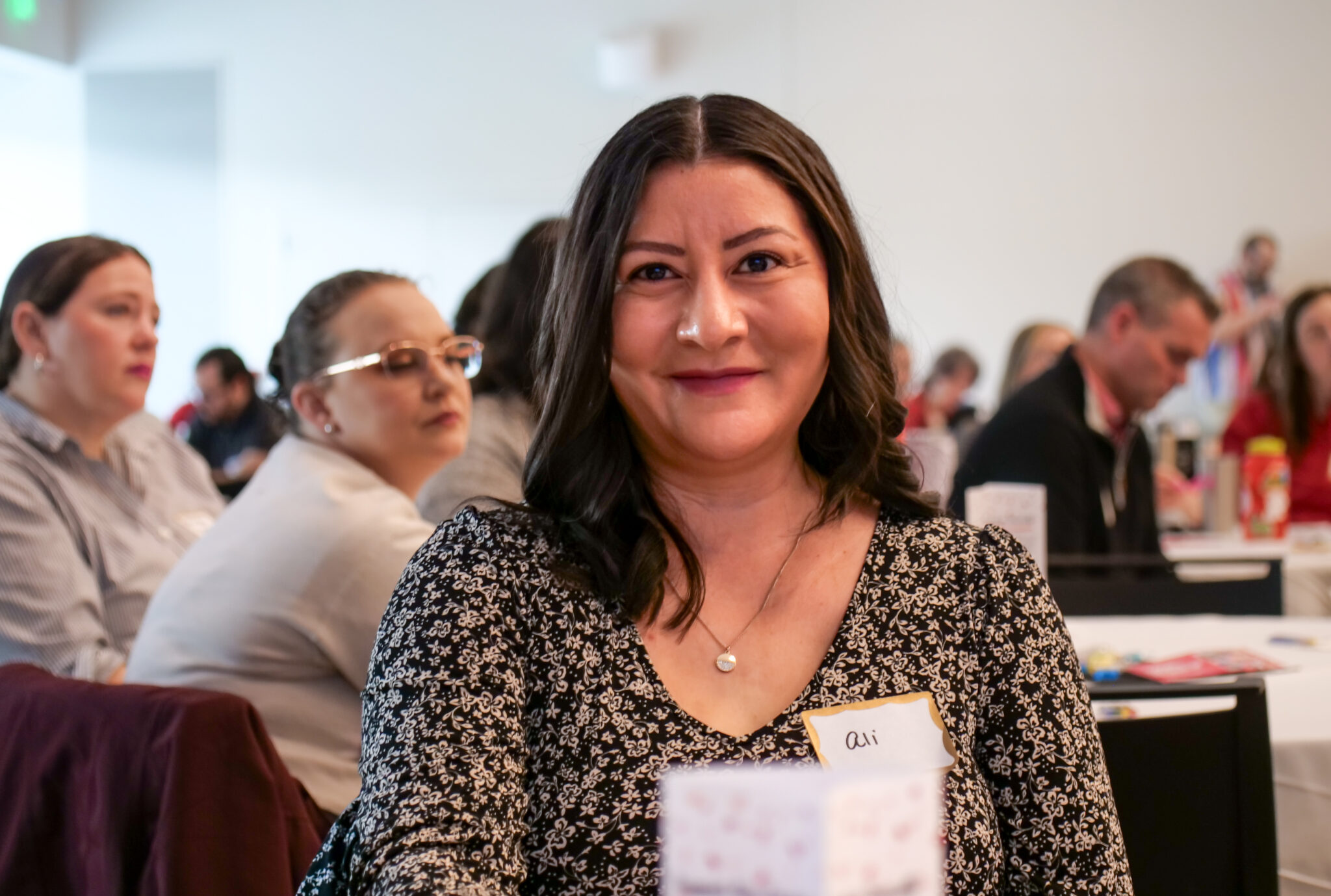
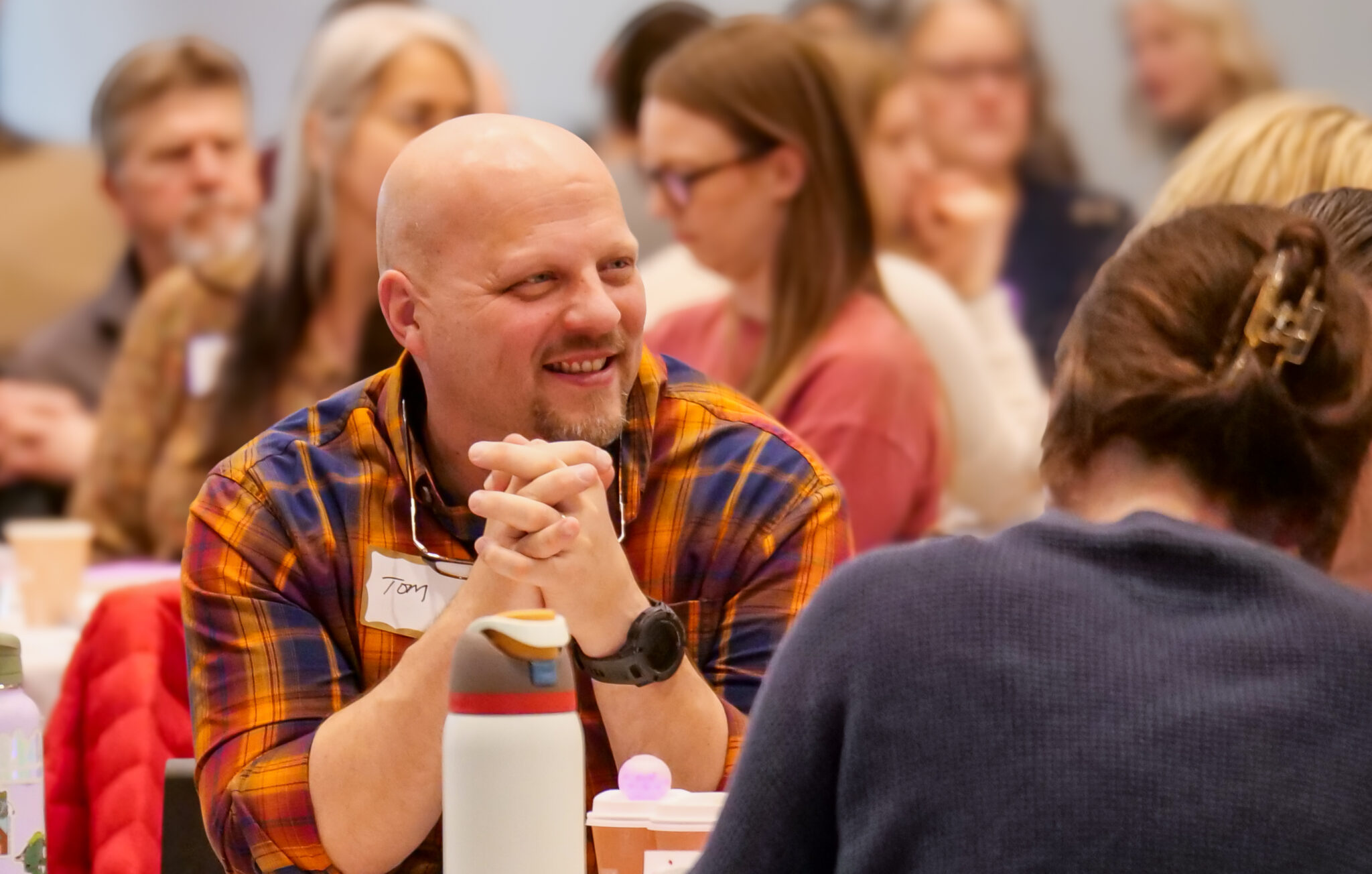
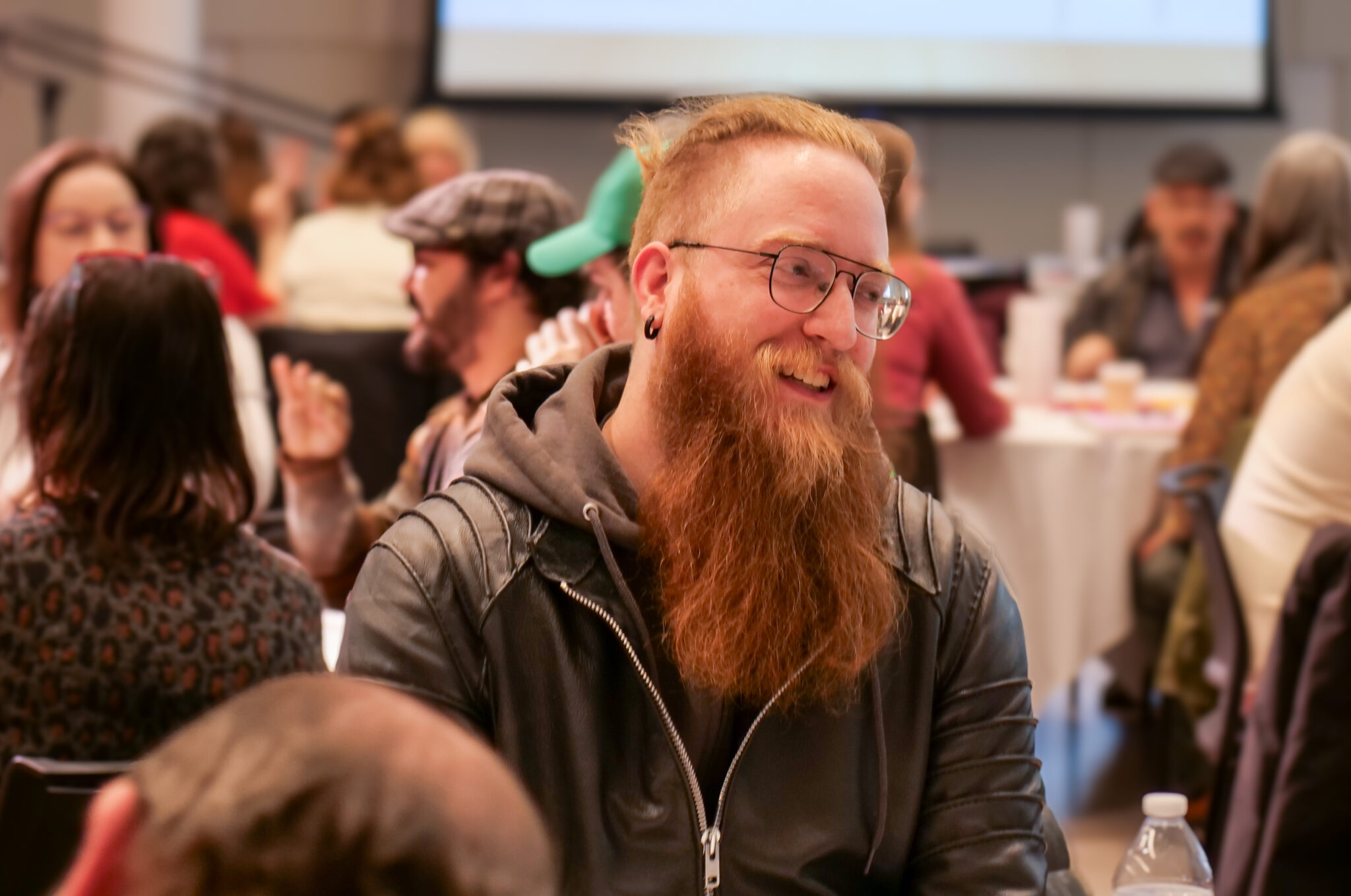
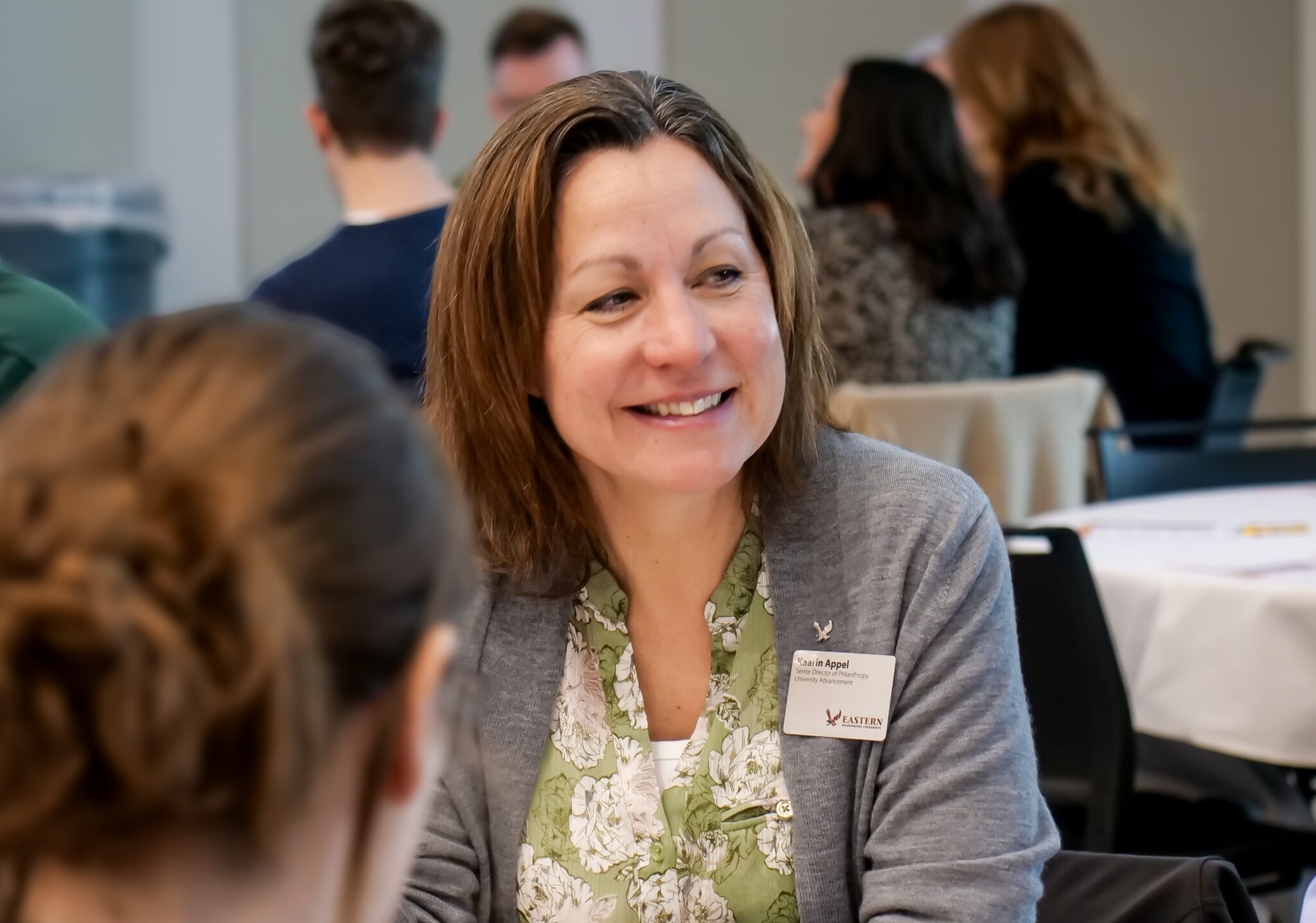
Nearly 300 Eastern Washington University employees filled the PUB’s Nysether Community Room for an inservice event that guided participants through research-based strategies for boosting communication skills amid conflict.
The three-hour session, sponsored by the president’s office and facilitated by the Rhode Island-based Center for Trauma and Stress Education (CTS), provided attendees with tools to better understand their own stress and trauma while extending grace to others.
“Our students come to Eastern for a transformative experience and education, and we deliver the best when we can work together, support one another and show up as our best selves,” said EWU’s president, Shari McMahan, in remarks opening the three-hour session.
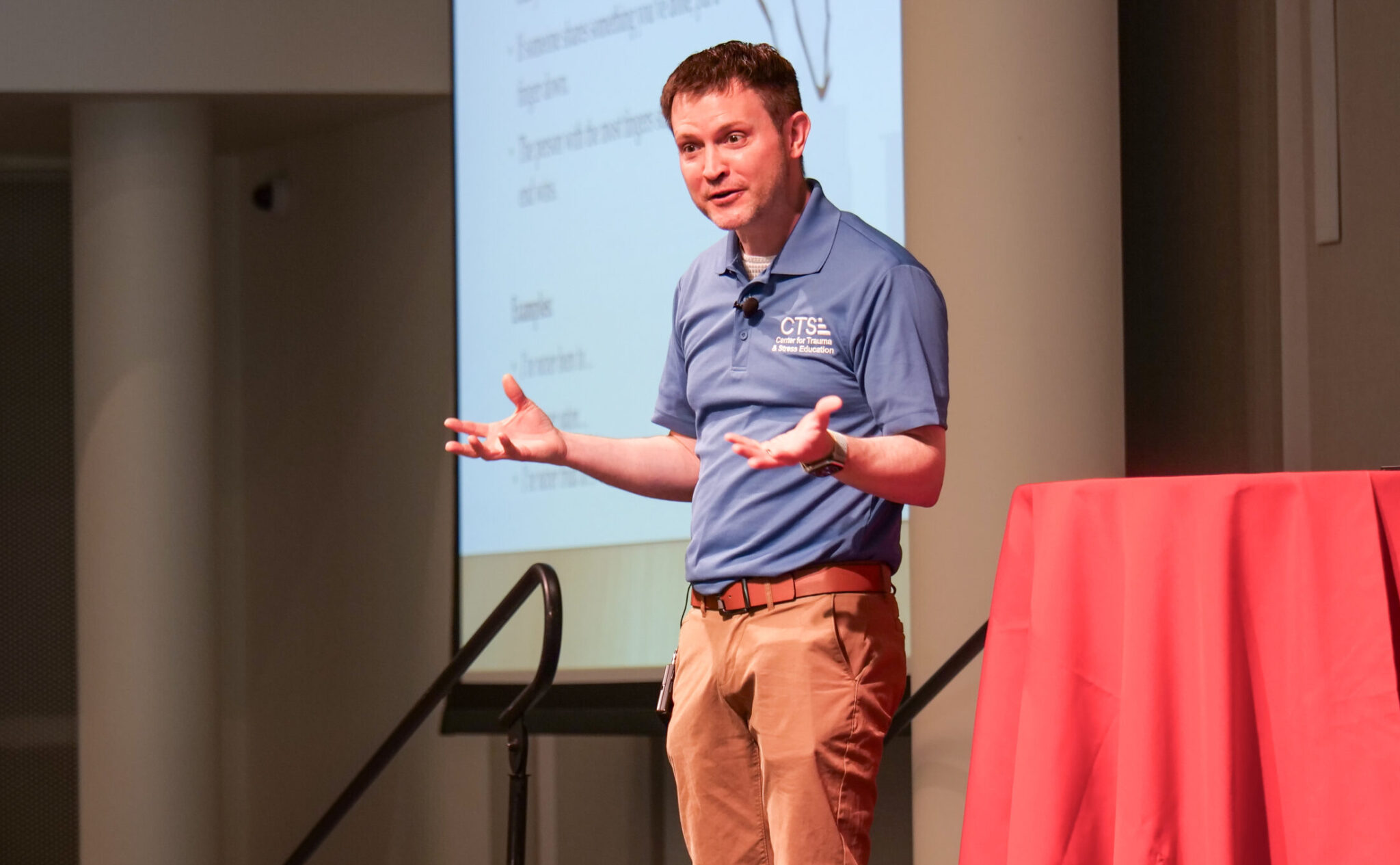
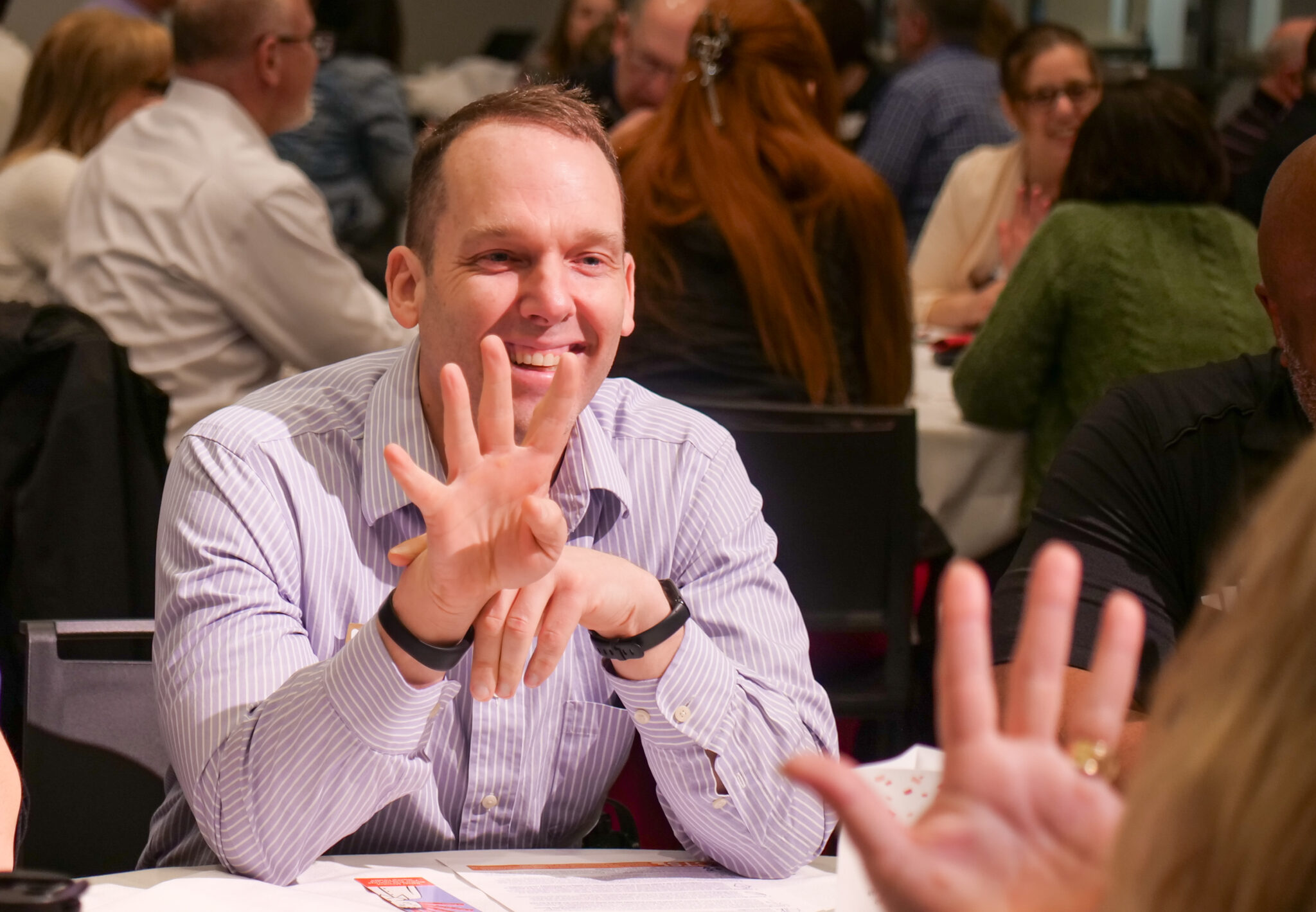
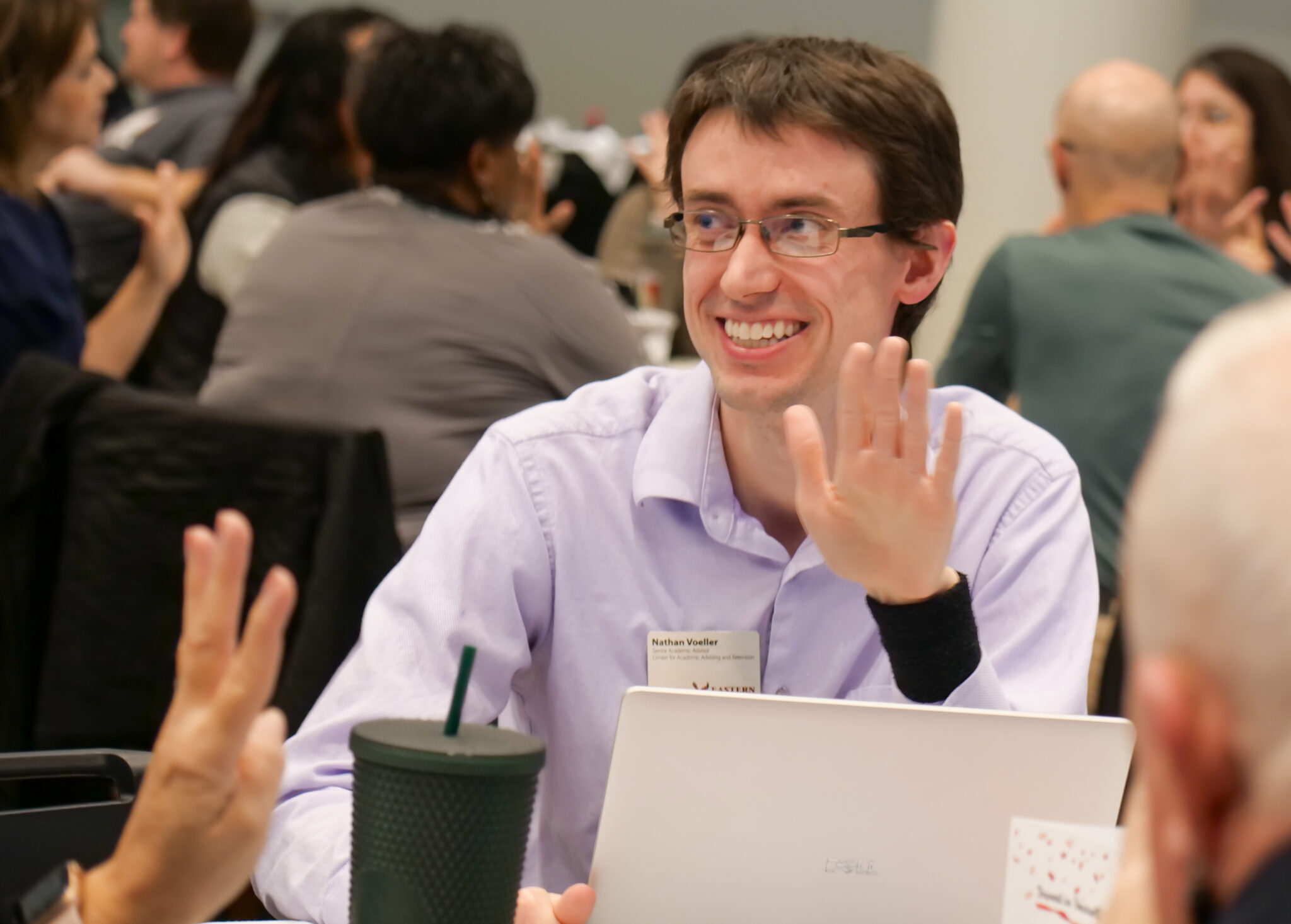
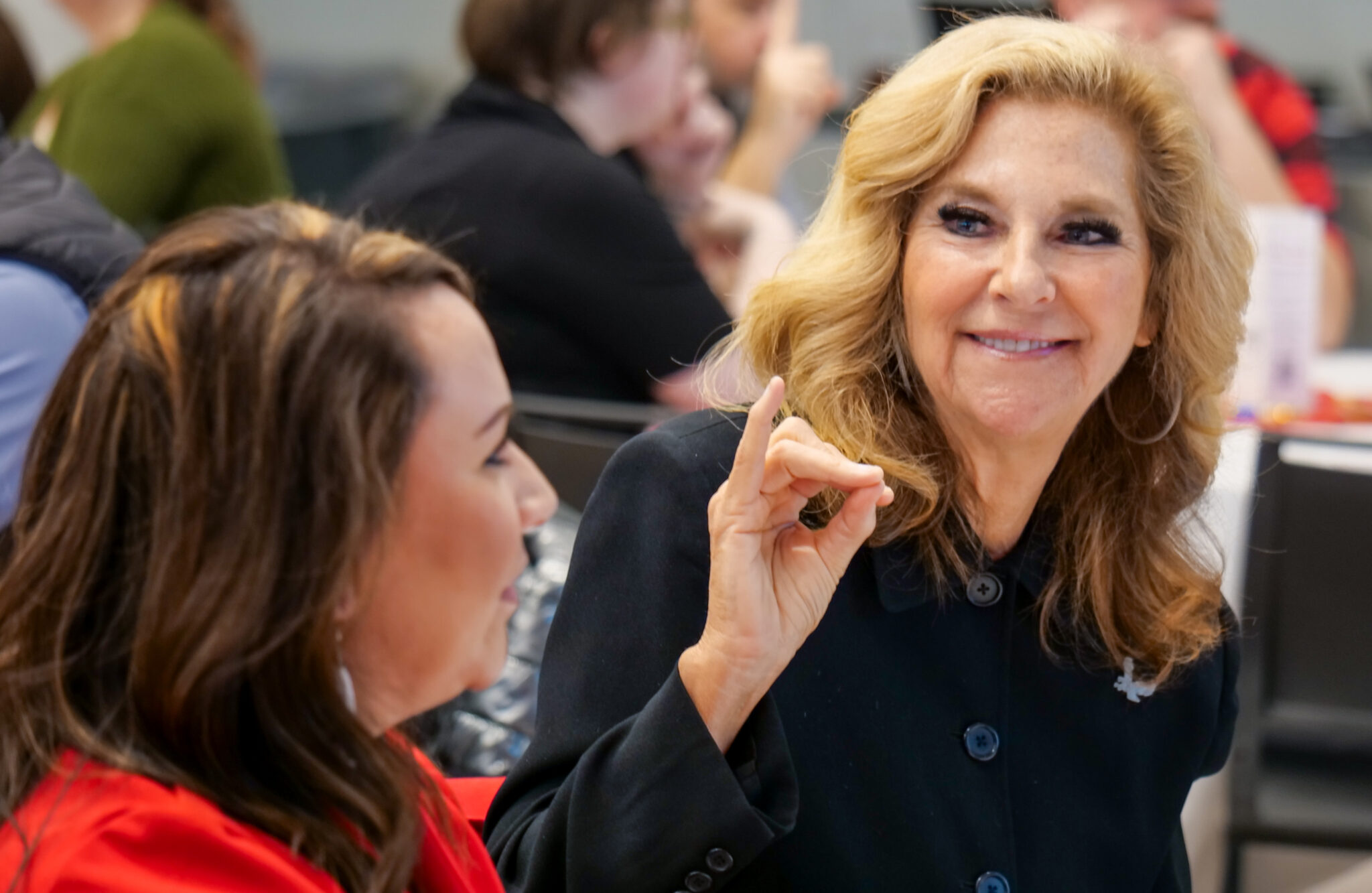
Presenter Ryan Oelrich, president of CTS, led the training. It included presentations, videos and interactive activities – including a five-fingered ice breaker that inspired light-hearted get-to-know-you conversations among coworkers. (To access the presentation slides from the event, click here.)
Oelrich encouraged attendees to reflect upon their own traumatic experiences, likening what they carry in life to items in a backpack. He encouraged faculty and staff in attendance to regularly assess those burdens to unpack, reorganize, shed unnecessary weight or even add helpful tools to assist with life’s journey.
One activity encouraged peers to reflect on the roles they serve – parent, caregiver, employee, volunteer, go-to-family member and more – and share challenges they are experiencing.
Since the brain tends to disproportionately reflect upon negative experiences, Oelrich said, it’s important to better balance the good with the bad by using the body’s five senses to etch positive experiences into neural memory banks.
Experiencing a bad day or a rough moment? Oelrich pointed out that research shows playing a favorite song can reduce stress and make people feel better. As a side note, fading the music out slowly instead of abruptly turning it off extends the positive benefits.
As it turns out, reaching snap judgements can lead to added stress because our imaginations fill knowledge gaps with assumptions. While overcoming “judgement icebergs” and “embracing uncertainty” might not come naturally, Oelrich provided the following a “three R” approach for holding productive discussions even amid times of conflict:
Recognize: Acknowledge that conflict exists. Both parties should verbalize and come to an agreement on what they see as an issue.
Relate: Even though you might not agree, you can both understand where the other party is coming from.
Resolve: Find a path forward that works for both parties, which often includes compromise.
Preparing for a tough conversation? Oelrich suggested taking a walk to diffuse potentially tense situations and using the “we” word to build camaraderie. “That word is hugely powerful when it comes to resolving conflict,” he said.
Attendee Trent Flora, intramural sports coordinator for campus recreation, said the inservice provided multiple benefits for communicating and relationship-building. “I thought it was good just to connect with my colleagues and be able to talk through it –and talk about their stories – which was very inspirational.”
Flora saw potential to apply some of the CTS strategies in his role overseeing 20 student employees in a program that currently serves about 350 students a week. Not surprisingly, with that many different personalities, disagreements are bound to arise.
“I think it’s something I can teach my students and help them better navigate the conflict they have from a peer-to-peer aspect,” said Flora, adding that he appreciates the university investing in employee development.
Janae Carrothers, undergraduate/graduate student services administrator for CSTEM, agrees that the workshop strategies will come in handy when working with students.
“I think the presentation itself would be good for students to also learn, really, about the ‘what’s in your backpack and what are you carrying around with you?’” approach, she said.
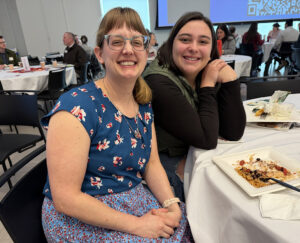
In addition, Carrothers said, the topics covered at the inservice remind instructors that when a student stops by an office or workspace space “they are carrying everything with them. It’s just a friendly reminder that life is going on.’
Carrothers appreciated the event’s camaraderie-building component – and the many thoughtful details – giving a shout-out to the campus members who planned the event.
“The committee did really good job,” she said. “It’s always wonderfully set up with the little fidget toys, it was very thoughtful. I would just describe it as thoughtful.”