EWU Adopts Tandem Academic Advising Model
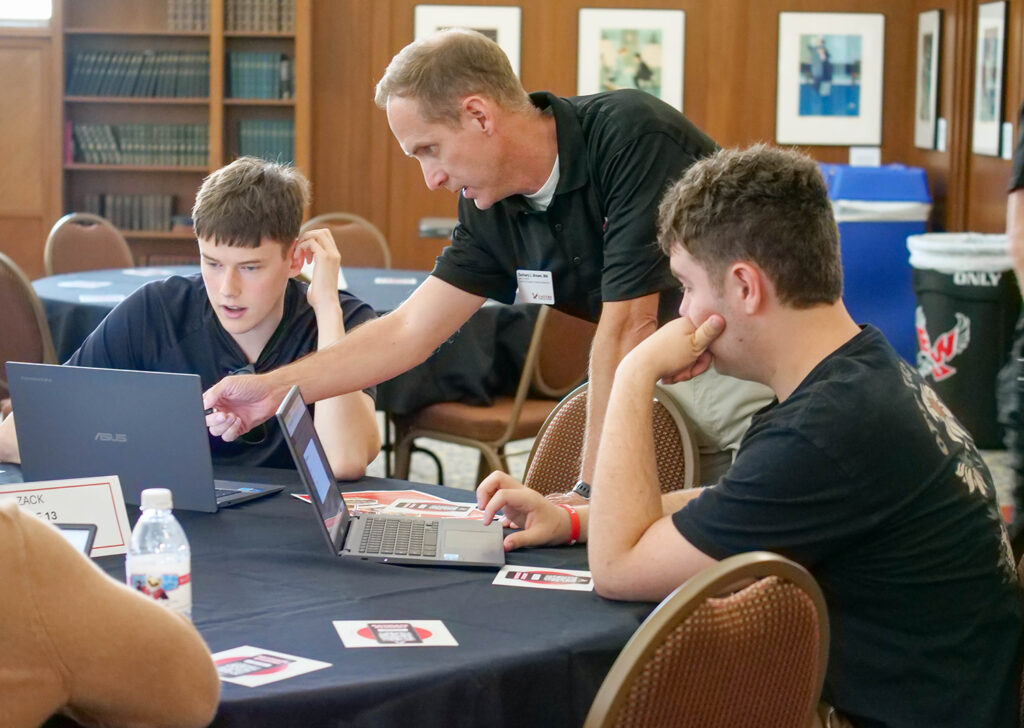
Eastern Washington University has implemented a new system of advising that provides additional degree-specific support to help guide students through their academic journey.
The new Tandem Academic Advising model, launched at EWU this fall, has been adopted by universities throughout the country. It ensures students receive timely, personalized information about relevant course offerings, academics and applied learning opportunities that support student retention, degree completion, and a path to future careers. (To learn more, access the full Tandem Advising Announcement at this link.)
In tandem advising, each student who has declared a major is paired with both a faculty advisor and an advisor from EWU’s Center for Academic Advising and Retention (CAAR). CAAR advisors provide academic advising, planning and registration support. They also help students navigate campus resources and assist with addressing other individual challenges to improve their overall student experience. Faculty advisors, meanwhile, focus their expertise on providing discipline-specific guidance, career mentoring and help with planning. This includes exposing students to research and professional development opportunities and engaging those who plan to pursue a graduate education.
This collaborative framework is expected to strengthen relationships between advisors and students — promoting greater engagement and advocacy for student needs while enhancing student retention and success.
EWU Provost Lorenzo Smith says faculty and staff advisors are already making this shift to tandem advising by “proactively being part of the solution for improved advising.”
The new model, Smith says, will result in increased opportunities for students to develop professional skills as they progress through their programs: “It allows advisors to probe students’ interest early, then subsequently connect them with faculty who are able to direct them toward applied learning opportunities.”
Here’s an example of how tandem advising works:
A new student entering with an associate of arts degree as part of a direct transfer agreement would receive “onboarding” from a CAAR adviser during the summer. The one-hour session would cover major requirements, campus support resources, key policies and procedures, and registration for the fall term.
The student would then transition to a faculty advisor for discipline-specific academic advising and planning, career mentoring, and guidance on internships and professional opportunities. This will generally happen during the student’s first quarter.
Variations of the model have been adapted to best serve first-time students and Running Start students.
Moving forward, the assigned CAAR and faculty advisors collaborate on an ongoing basis to address existing and anticipated issues as they arise, striving to meet the evolving needs of each student while fostering a more supportive educational environment.

You might also like...


Categories
Experts Directory
Find EWU faculty and staff who are experts in diverse subjects.