Bachelor of Fine Arts in Art

About

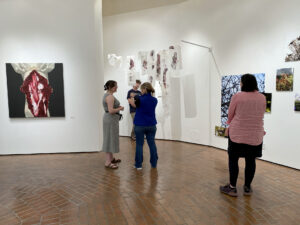
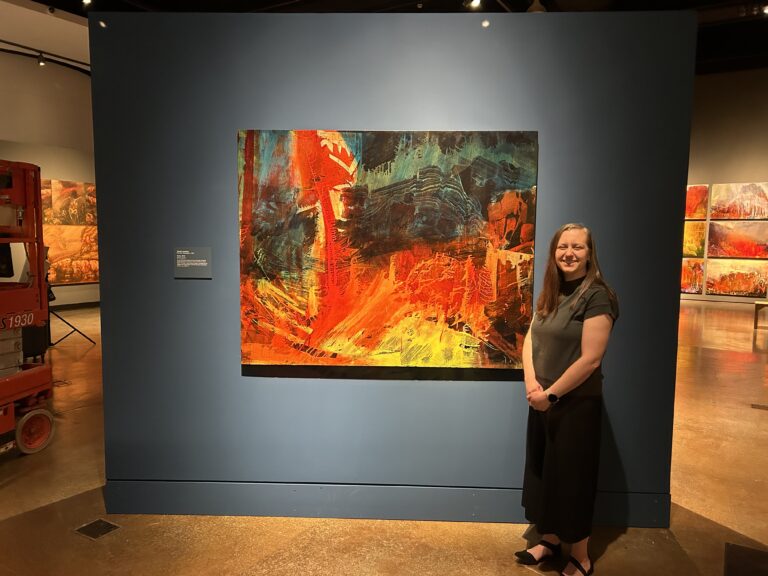
In the Bachelor of Fine Arts (BFA) Program, you’ll get a strong foundation in studio art and visual culture. The program allows students to work on individual thesis projects that combine research with art making. It is an experience that allows an additional year of professional study in visual art. Students choose an area of focus in art or they can explore overlap in areas for a more multidisciplinary approach. All BFA students participate in a final thesis exhibition in our professional gallery, the EWU Gallery of Art. 

  • 2D – painting, drawing, printmaking, illustration
  • 3D – ceramics, sculpture, performance or installation
  • Media – photography, digital art
  • Visual Culture – community or social art practice
  • or Mix it up! We are flexible!

Curriculum & Requirements

The 25-26 Catalog for the BFA Art will be available for declarations in July of 2025!


Why Get a BFA at the Region's Polytechnic?

Get a hands-on education, real-world experience, and personalized support from faculty so you can launch your career with confidence.


Work One-on-One with Faculty Advisors

Work One-on-One with Faculty Advisors

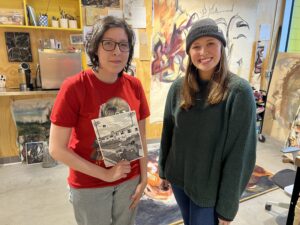
BFA students get to work one-on-one with a faculty mentor. They can ask questions, learn advanced techniques, and receive professional critique.

Access to Studio Spaces

Access to Studio Spaces

We have multiple studio spaces and tools that students can have access to outside of class.

Collaborate with Your Cohort

Collaborate with Your Cohort

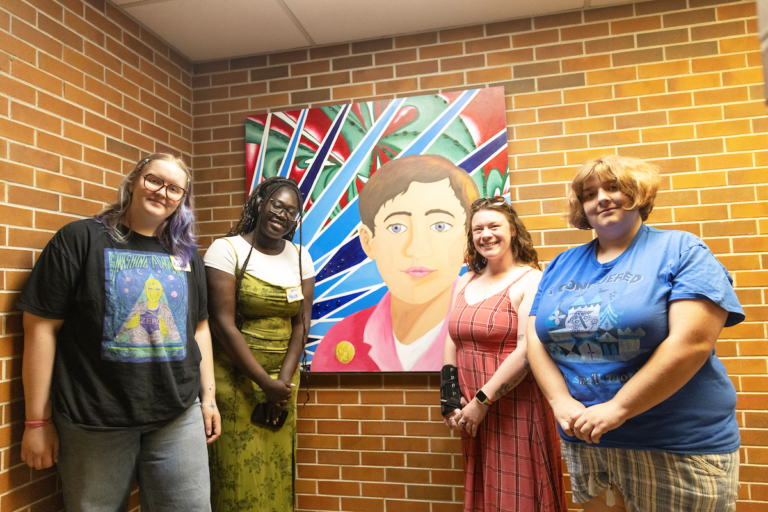
You will have the opportunity to work with your fellow BFA class on projects, feedback, and more.

EWU Emerging Artist in Residency at the HIVE

EWU Emerging Artist in Residency at the HIVE

As a EWU BFA graduate, you have the opportunity to participate in a 6-month artist in residency at the HIVE in Spokane.

Artist in Residency Program at the Hive

Develop Professional Skills

Develop Professional Skills

BFA curriculum includes the developlment of transferrable professional skills in writing and public speaking in addition to developing a cohesive body of work for exhibition.

What You'll Learn

The following information comes from the official EWU catalog, which outlines all degree requirements and serves as the guide to earning a degree. Courses are designed to provide a well-rounded and versatile degree, covering a wide range of subject areas.

Art Major, Bachelor of Fine Arts (BFA)

The Bachelor of Fine Arts (BFA) in Art is a studio-focused degree that helps students build strong technical skills, creative thinking, and a personal artistic practice. Students learn alongside a supportive cohort while engaging in professional development opportunities that prepare them for careers in the arts and creative fields. Through hands-on studio courses, critique, and community engagement, students explore ideas, experiment with materials, and develop their unique artistic voice. The program culminates in a public BFA Exhibition, where graduating seniors present a focused body of work that showcases their ideas, skills, and conceptual growth. 

Students work closely with a faculty advisor to create a degree plan that aligns with their artistic interests and career goals.

Art Core Courses
ART 201ART AND TECHNOLOGY5
ART 202METHODS AND MATERIALS5
ART 211DRAWING5
Art Experience Courses20
In consultation with art advisor, choose four of the following courses:
ILLUSTRATION
DIGITAL ART
PHOTOGRAPHY: DIGITAL PRACTICES
and PHOTOGRAPHY: DIGITAL PRACTICES LAB
PHOTOGRAPHY: BLACK AND WHITE
and PHOTOGRAPHY: BLACK AND WHITE LAB
FIGURE DRAWING
CERAMICS: FUNCTION & FORM
PAINTING
WATERCOLOR
PRINTMAKING
SCULPTURE: MOLD MAKING AND WOOD CONSTRUCTION
FIBER AND TEXTILES
EXPERIMENTAL
VIDEO ART
BODY AND TIME
CERAMICS: CONTENT & SURFACE
PRINTMAKING
SCULPTURE: WELDED AND EXPANDED FORM
Visual Culture Courses
ART 313ART ACROSS TIME: 18TH CENTURY TO CONTEMPORARY5
ART 317ART AS SOCIAL ACT5
or ART 406 ART AND COMMUNITY
ART 331CONTEMPORARY ART5
Visual Culture Elective, choose one:5
ART ACROSS TIME: PREHISTORY TO 17TH CENTURY
THE BODY IN ART
HISTORY OF PHOTOGRAPHY
NATIVE NORTH AMERICAN ART
WRITING ABOUT ART
Art Development Courses
ART 472PROFESSIONAL PRACTICE FOR ARTISTS5
Development Electives, 400 level courses can be repeated.24
EXPANDED PRACTICE: PHOTO/MEDIA
and EXPANDED PRACTICE: PHOTO/MEDIA LAB
TOPICS IN PROFESSIONAL PRACTICE
EXPANDED PRACTICE: 2D
WORKSHOP IN ART
EXPANDED PRACTICE: 3D
INTERNSHIP
Senior Thesis and Capstone Exhibition
ART 470MAKING AND MEANING (Fall Quarter)3
ART 470MAKING AND MEANING (Winter Quarter)3
ART 490SENIOR CAPSTONE: BFA EXHIBITION (Spring Quarter)5
Total Credits95

The following plan of study is for a student with zero credits. Individual students may have different factors such as: credit through transfer work, Advanced Placement, Running Start, or any other type of college-level coursework that requires an individual plan.

Courses could be offered in different terms, checking the academic schedule is paramount in keeping an individual plan current. Students should connect with an advisor to ensure they are on track to graduate.

All Undergraduate students are required to meet the Undergraduate Degree Requirements.

First Year
Fall QuarterCreditsWinter QuarterCreditsSpring QuarterCredits
ART 2015ART 2025ENGL 2015
ENGL 1015Humanities & Arts BACR 215Natural Science BACR 15
Humanities & Arts BACR 115Social Science BACR 115Social Science BACR 215
 15 15 15
Second Year
Fall QuarterCreditsWinter QuarterCreditsSpring QuarterCredits
ART 2115MATH 107 or 1705Art Experience Elective25
Natural Science BACR 215Art Experience Elective25Art Experience Elective25
Elective - minor or general elective5Elective - minor or general elective5Elective - minor or general elective5
 15 15 15
Third Year
Fall QuarterCreditsWinter QuarterCreditsSpring QuarterCredits
Art Experience Elective25ART 3135ART 3315
Visual Culture Elective45Art Development Elective35Art Development Elective35
Global Studies - graduation requirement25Diversity - graduation requirement15Elective - minor or general elective5
 15 15 15
Fourth Year
Fall QuarterCreditsWinter QuarterCreditsSpring QuarterCredits
ART 317 or 4065ART 4703ART 490 (Senior Capstone - graduation requirement)5
ART 4703ART 4725Art Development Elective35
Art Development Elective34Art Development Elective35Elective - minor or general elective5
Elective - minor or general elective3Elective - minor or general elective2 
 15 15 15
Total Credits 180
1

University Graduation Requirements (UGR) and Breadth Area Course Requirements (BACR) courses may be less than 5 credits and additional credits may be required to reach the required 180 total credits needed to graduate.  Students should connect with an advisor to ensure they are on track to graduate.

2

Art Experience Elective–choose 20 credits from the approved list.

3

Art Development Electives–choose 24 credits from the approved list.

4

Visual Culture Elective–choose 5 credits from the approved list.

Students who earn a BFA in Art from EWU should be able to:

  • create works of art that demonstrate technical skill;
  • produce a professional quality artist’s portfolio;
  • use appropriate terminology to evaluate works of art;
  • write a well-crafted artist statement;
  • produce a coherent body of work for exhibition.

Applied Learning Opportunities

An EWU art student uses a pottery wheel to create a small bowl

  • Classroom-Based Applied Learning/Simulation: Practice professional skills and real-world decision-making through simulations and hands-on exercises in the classroom.
  • Community-Based Projects: Team up with local organizations on projects that allow you to solve problems and make a difference.
  • Internships: Get real-world experience (and often credit or pay) by working in a professional setting connected to your career goals.
  • Performance: Share your creative work through exhibitions, art festivals, and film screenings.
  • Student Employment & Leadership at EWU: Gain skills, connections, and confidence through on-campus jobs and leadership roles in student government, departments, or clubs.
  • Studio Work: Hone your craft in campus studios, using industry tools and techniques across digital art, ceramics, painting, printmaking, and photography.
  • Undergraduate Research: Collaborate with professors on research projects where you ask questions, solve problems, and present what you discover.

Sample Courses

ART 470. MAKING AND MEANING. 3 Credits.

Pre-requisites: ART 331.
Students meet weekly to discuss progress and issues that pertain to BFA Thesis research. Students are guided and prepared for quarterly community artist reviews of BFA projects.

Catalog Listing

ART 472. PROFESSIONAL PRACTICE FOR ARTISTS. 5 Credits.

Pre-requisites: junior standing.
Addresses professional preparedness for BFA Art Majors. Introduces skills and strategies for navigating the art world. Topics include career options for creative professionals, identifying career goals, and producing relevant professional materials such as a digital portfolio, website, and project/grant proposals. Includes workshops on documenting works of art.

Catalog Listing

Consider Getting a Minor or Certificate

EWU offers over 140+ Minors and Certificates that students can use to diversify their transcript. Here are some that we find would be complementary to an Art Major


Media Writing Minor

The minor in Media Writing focuses on developing the skills to write in multiple genres and media – art exhibitions, press releases, web pages, etc.

Learn More

Visual Culture Minor

You’ll also choose from a wide variety of electives that cover art from different periods of history such as antiquity, the Renaissance and the modern era.

Learn More

Psychology Minor

Pair together your understanding of the human mind and the expression of the visual arts.

Learn More

Anthropology Minor

Study cultural beliefs, traditions, practices and values from diverse communities.

Learn More

Explore More Options

Head on over to the EWU Program Explorer to discover all the minors and certificates that we have to offer!

Program Explorer

Careers in Art

  • High School Art Teacher
  • Elementary Art Teacher
  • Art Education Director
    • Museum programs
    • Community based programs
  • College Instructor or Professor
  • Visiting Artist
  • Artist Residency Instructor or Technician
  • Art Teacher
    • Community centers
    • Art centers
  • Workshop Leader
  • Workshop Coordinator
  • What is Arts Leadership? Leadership roles in:
    • Public (Government Agencies) – City, State, and National programs for arts!
    • Non-Profit Organizations – Cultural and arts-based organizations!
    • Corporate/Private Industry – Corporations/Industries have art collections and/or creative teams.
  • Executive Director
  • Gallery Director
  • Residency Director
  • Creative Director
  • Art Consultant or Agent
  • Curator
  • Art Director/Project Manager
  • Program Director
  • Development Director/Coordinator
  • Working Artist
  • Grant Writer
  • Public Artist
  • Art Consultant
  • Curator
    • Gallery
    • Museum
  • Gallerist
  • Art Agent and Business Manager
  • Online Vendor
  • Archivist
  • Foundation Accounts
  • Arts Preservation
  • Membership Officer
  • Museum Shop Manager
  • Preparator
  • Public Relations Officer
  • Registrar
  • Receptionist
  • Program Assistants
  • Curatorial Assistant
  • Museum Program Assistant
  • Research Assistant
  • Social Media Managers or Assistants
  • Marketing Assistants
  • Corporate Sponsorship
  • Grants writer
  • Press/PR Assistants or Directors
  • Event Management
  • Commercial Photography
  • Professional Photography
  • Illustrator
  • Graphic Designer
  • AV Technician
  • Studio Artist
  • Muralist
  • Studio Artist
  • Potter
  • Production Design
  • Set Design
  • Studio Artist
  • Freelance Illustrator
  • Freelance Designer
  • Creative Technologist
  • Craft Artist
  • Industrial Designer
  • Animator
  • Multimedia Specialist
  • Digital Designer
  • Digital Content Strategist
  • Tattoo Artist
  • Digital Image Specialist
  • Digital Video Editor
  • Videographer
  • Digital Asset Manager
  • Studio Assistant
  • Studio Technician

With 3.48 million people working for arts businesses, arts education is a critical tool in fueling the creative industries with arts-trained workers as well as new arts consumers.

“The arts develop skills and habits of mind that are important for workers in the new economy of ideas.”
– Alan Greenspan,
former U.S. Federal Reserve Chairman